Market Updates
Kansas City Mortgage Rates in 2026: How to Protect Your Purchasing Power This Fall
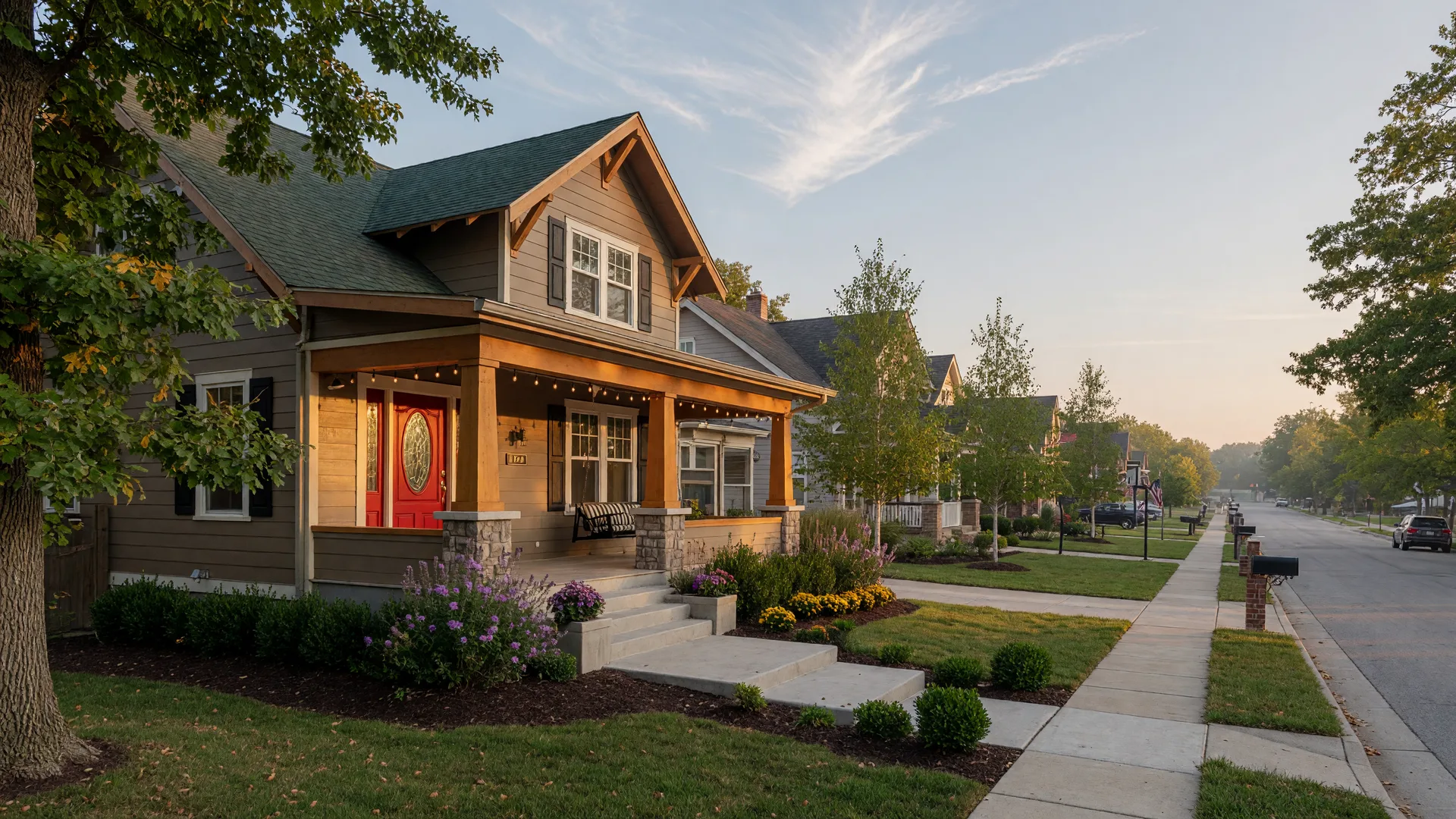
If you have followed the Kansas City housing market this year, you already know the story: prices have held up while inventory stays thin. The newest twist is on the financing side. As of early September 2026, the average 30 year fixed mortgage rate in the metro has climbed back toward 6.7%, up from a year to date low near 6% in February, though still below the 2025 average. For buyers, sellers, and homeowners planning their next move, that rate shift changes the math on every purchase. Here is what it means and how to stay ahead of it.
After more than 25 years in architecture, homebuilding, and real estate across Kansas City, I have learned that the buyers who run the numbers early are the ones who move with confidence. Let us look at where rates stand, what they mean for your payment, and why new construction incentives can change the picture.
Where Kansas City Mortgage Rates Stand in Fall 2026
Through July 2026, the metro median sales price sat near $392,000, up about 2.5% year over year, with roughly 2.6 months of supply on the market and homes selling in about 36 days. That is a balanced but still slightly seller favorable market. The mortgage rate is the variable that moves fastest. After drifting lower through the spring, rates climbed back above 6.6% in late July and have hovered in the high 6% range since. Forecasters like Fannie Mae expect rates to ease into the mid to low 6% range by the end of the year, but no one should plan a purchase around a forecast they cannot control.
How Rates Affect Your Monthly Payment and Purchasing Power
The simple math: every quarter point on the rate adds roughly $15 to $20 per month for every $100,000 borrowed. On a $350,000 loan, moving from 6% to 6.7% adds roughly $150 to $170 per month before taxes and insurance. Over a 30 year term, that difference adds up to tens of thousands of dollars. That is why comparing the full financing package matters as much as comparing the floor plan. Kansas City's below national average prices cushion the blow, but the rate still decides what you can comfortably afford each month.
New Construction Incentives Can Offset a Higher Rate
This is where a builder's perspective helps. Many Kansas City builders are offering rate buydowns and closing cost credits in 2026 to keep monthly payments competitive. A builder financed rate buydown can reduce your effective rate for the first few years of the loan, and a closing cost credit can lower the cash you need at the table. Combined, those incentives can offset much of what rising rates would otherwise add to your payment. When you compare a new construction home with incentives against a resale home with none, the true monthly cost is often closer than the sticker prices suggest.
"The price of the home matters, but so does the rate you lock and the incentives a builder puts on the table. Look at the whole picture, the monthly payment, the true cost to close, and the resale value, before you decide."
Jason DeLong, Heartland Homes KC
Next Steps for Kansas City Homeowners
Whether you are buying new construction, selling your current home, downsizing, or building, the best time to run the numbers is before you start looking, not after. We can help you compare builders, incentives, financing, and true costs across the entire Kansas City metro, including the Northland, Liberty, Parkville, Gladstone, Staley, and Johnson County areas. We take a builder informed, whole picture approach so you can make smarter, more confident real estate decisions.
Run the Numbers Before You Look
Not sure what your monthly payment or true closing costs will be at today's rates? We will help you compare financing options and builder incentives for your Kansas City move.
Call us at 816-533-3100 or schedule a consultation to plan your move with confidence. Build smarter, Jason